








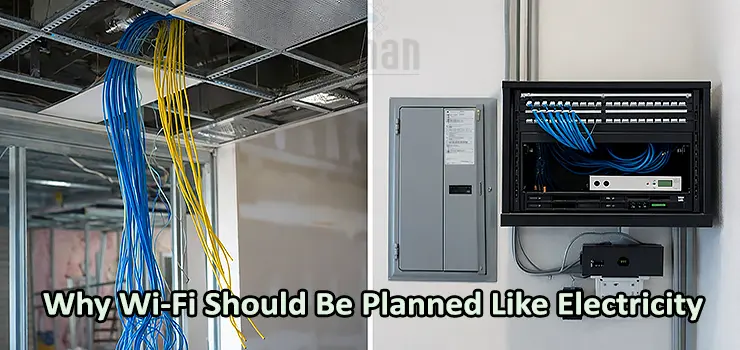
In modern homes and offices, Wi-Fi has quietly become as essential as electricity. We turn on a laptop, a phone, or a smart TV with the same expectation we flip a light switch: it should just work. Yet, unlike electrical systems, Wi-Fi networks are often treated as an afterthought. A router is bought, plugged in somewhere convenient, and expected to magically cover every room. This gap between expectation and reality is the root cause of many connectivity problems. That is exactly why Wi-Fi should be planned like electricity, not installed casually. Understanding this principle can completely change how users experience their network.
When electricity is designed for a building, no one guesses where outlets might be needed. Engineers calculate load, plan circuits, and consider future expansion. Wi-Fi deserves the same level of respect. The keyword Why Wi-Fi Should Be Planned reflects a mindset shift: from reactive fixes to proactive design.
Wi-Fi Is Infrastructure, Not a Gadget
One of the biggest misconceptions about wireless networks is seeing Wi-Fi as a consumer gadget rather than infrastructure. A router box looks simple, affordable, and plug-and-play, so people assume the entire network is simple too. In reality, Wi-Fi is a radio-based infrastructure layered on top of your physical building. Walls, floors, metal structures, and even furniture directly affect how signals behave.
Electricity is hidden behind walls, carefully routed through conduits. Wi-Fi, while invisible, is equally sensitive to physical layout. If electrical wiring were installed randomly, you would expect flickering lights and overloaded sockets. Poor Wi-Fi planning creates the same result: dropped connections, slow speeds, and unstable performance. This is one of the core reasons Why Wi-Fi Should Be Planned with intention from day one, especially in new constructions or renovations.
The Cost of Treating Wi-Fi as an Afterthought
Many connectivity issues users face are not caused by slow internet packages or faulty devices. They are caused by poor design decisions made early on. Placing a router in a corner of the house, hiding it inside a cabinet, or assuming one device can cover a multi-floor building are common mistakes. Electricity planning prevents overloads and dead outlets. Wi-Fi planning prevents dead zones and congestion.
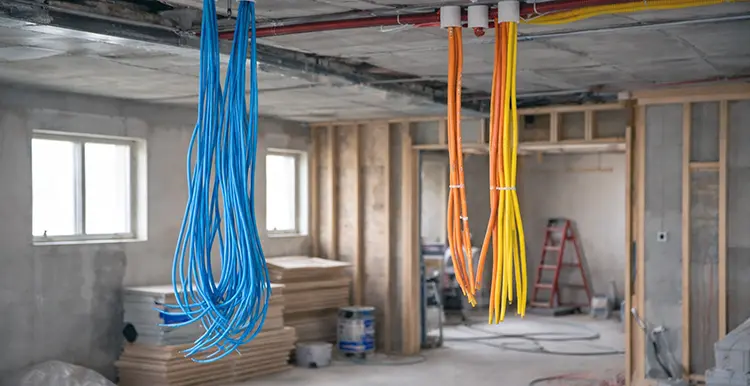
When Wi-Fi is not designed properly, users often spend more money later on repeaters, extenders, or mesh systems, trying to patch a fundamentally weak design. These fixes may help temporarily, but they rarely deliver consistent results. Thinking early about Why Wi-Fi Should Be Planned helps avoid unnecessary costs, frustration, and wasted hardware.
Wi-Fi Coverage Is About Design, Not Power
A common assumption is that stronger routers automatically mean better coverage. This is similar to believing that higher voltage solves poor electrical wiring. In reality, power without structure creates problems. Wi-Fi signals can only travel so far, and increasing transmit power does not solve interference, obstacles, or device density. Professional Wi-Fi planning focuses on access point placement, channel selection, and expected usage patterns.
Electricity planning focuses on circuit distribution and load balancing. Both are about design efficiency, not brute force. When Wi-Fi is planned correctly, users experience stable connections even if the signal strength indicator is not always at maximum. This stability is a direct result of planning, reinforcing Why Wi-Fi Should Be Planned rather than improvised.
Buildings Shape Wi-Fi the Same Way They Shape Wiring
No electrician ignores the structure of a building. Concrete walls, steel beams, and floor layouts all influence electrical design. Wi-Fi signals are even more sensitive. Dense walls absorb radio waves. Glass reflects them. Metal blocks them almost completely. Ignoring these realities leads to predictable outcomes: strong Wi-Fi in one room and unusable connections just a few meters away. When Wi-Fi is planned like electricity, these physical constraints are mapped in advance.
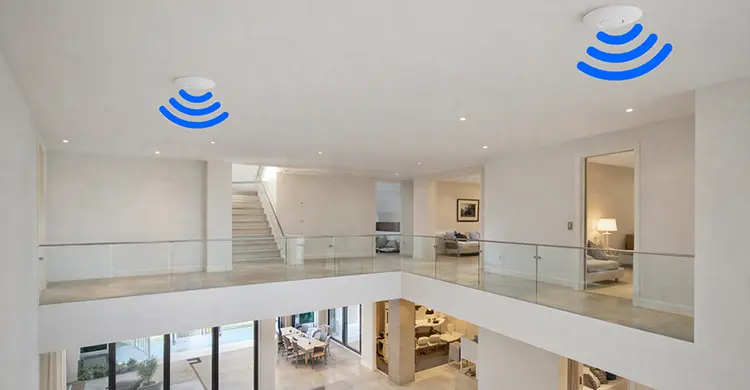
Access points are placed strategically, just like electrical outlets are. This approach is especially critical in offices, villas, and commercial spaces where consistent coverage matters more than raw speed. It highlights again Why Wi-Fi Should Be Planned as part of the building, not added afterward.
User Behavior Is the Load Calculation of Wi-Fi
Electricians calculate how many devices will draw power from a circuit. Wi-Fi planning requires a similar understanding of user behavior. How many devices will connect simultaneously? Are they phones, laptops, cameras, or smart appliances? Will users be streaming video, making calls, or transferring large files?
Without answering these questions, Wi-Fi design becomes guesswork. A network that works fine for browsing may collapse under video calls and cloud backups. Planning Wi-Fi means anticipating demand, just like electrical engineers anticipate load. This is another dimension of Why Wi-Fi Should Be Planned properly, especially in environments where reliability is critical.
Stability Matters More Than Speed
Marketing often emphasizes speed numbers, but real-world Wi-Fi performance is about stability. Electricity is judged by reliability, not by how fast electrons move. Wi-Fi should be evaluated the same way. A stable 100 Mbps connection is far more valuable than a theoretical 1 Gbps link that drops every few minutes.
Proper planning ensures consistent performance across the entire space. It reduces interference, improves roaming between access points, and keeps latency low. These benefits are invisible on product boxes but very noticeable in daily use. Understanding Why Wi-Fi Should Be Planned helps users prioritize long-term reliability over short-term specifications.
Expansion and Future Proofing
When electrical systems are designed, extra capacity is often built in for future needs. Wi-Fi planning should follow the same principle. Device counts grow every year. New standards emerge. Usage patterns evolve. A well-planned Wi-Fi network allows for additional access points, higher speeds, and new devices without major redesign.
A poorly planned one becomes obsolete quickly, forcing expensive upgrades. Planning ahead is not about predicting the future perfectly, but about leaving room for growth. This forward-thinking approach is central to Why Wi-Fi Should Be Planned instead of patched.
The Psychological Expectation of Connectivity
People rarely think about electricity unless it fails. Wi-Fi has reached the same psychological status. Users expect it to be always available. When it fails, frustration is immediate and intense. This expectation makes Wi-Fi failures feel more disruptive than other technical issues. Meeting this expectation requires treating Wi-Fi as essential infrastructure. Just as electrical outages are unacceptable in modern buildings, unreliable Wi-Fi undermines productivity, comfort, and trust.
Recognizing this expectation reinforces Why Wi-Fi Should Be Planned with the same seriousness as power distribution.
Planning Saves Time, Money, and Reputation
For businesses, poor Wi-Fi damages reputation. Customers remember unstable connections, failed payments, or interrupted services. For homes, it leads to daily irritation and constant troubleshooting. In both cases, reactive fixes consume time and resources. Planning Wi-Fi from the beginning reduces these risks. It creates a foundation that supports modern digital life without constant intervention. This is the practical value behind Why Wi-Fi Should Be Planned rather than treated as an accessory.
Professional Wi-Fi Planning and Installation Services in Dubai
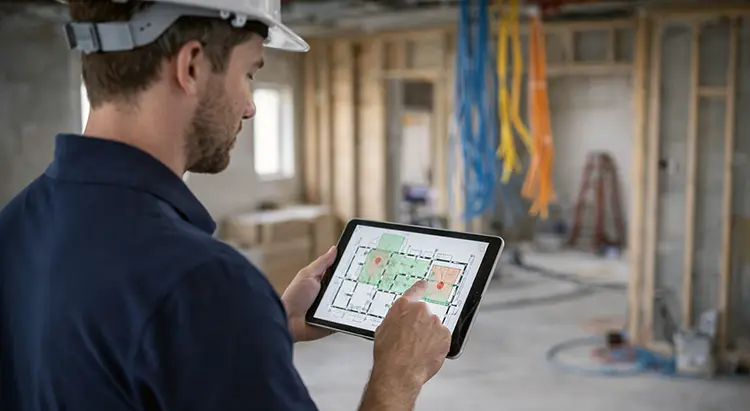
We provide professional Wi-Fi planning and network infrastructure services across Dubai for homes, offices, villas, shops, and commercial spaces. Our work goes far beyond simply installing routers or access points. We design Wi-Fi the same way electrical systems are designed, starting from the building layout, usage requirements, and future expansion needs. From running structured network cabling during construction to installing ceiling-mounted access points and configuring stable wireless coverage, our team handles the entire process on site in Dubai. This approach ensures reliable connectivity, clean installation, and long-term performance instead of temporary fixes or repeated troubleshooting.
Conclusion: Wi-Fi Deserves Engineering, Not Guesswork
Electricity works because it is engineered, not improvised. Wi-Fi should follow the same philosophy. It is not just about buying better hardware, but about understanding space, users, and long-term needs. When Wi-Fi is planned like electricity, it becomes reliable, invisible, and dependable.
The core idea behind Why Wi-Fi Should Be Planned is respect. Respect for the technology, the users, and the environments it serves. With proper planning, Wi-Fi fades into the background, exactly where essential infrastructure belongs.