









 ? Message us on
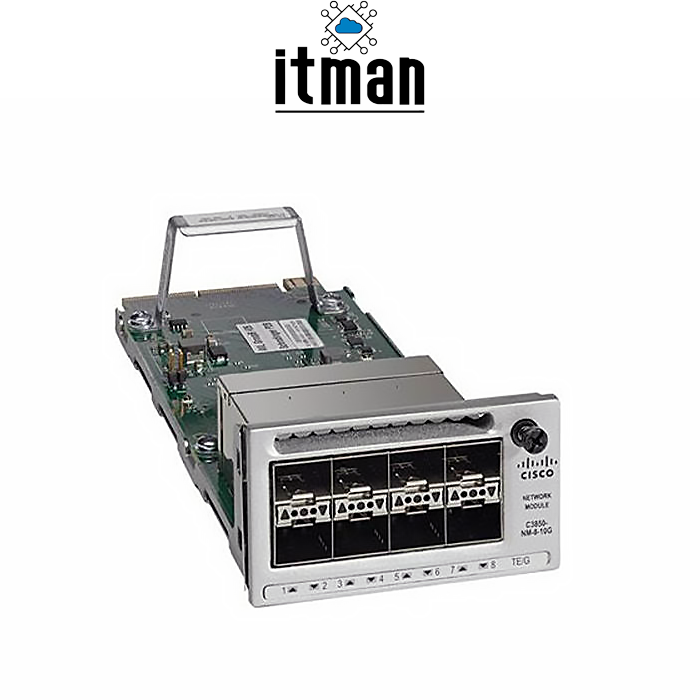
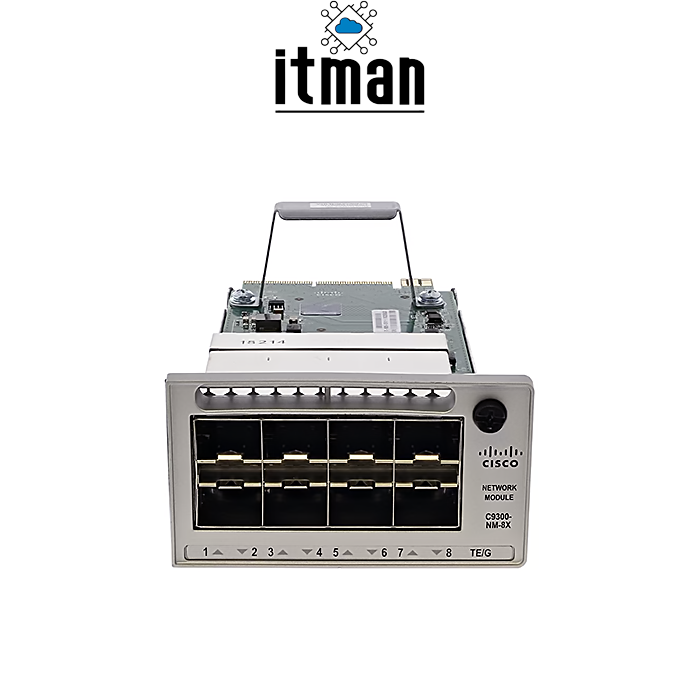
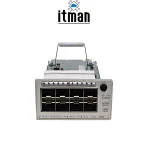
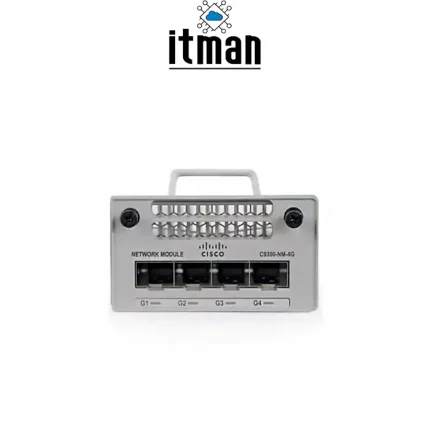
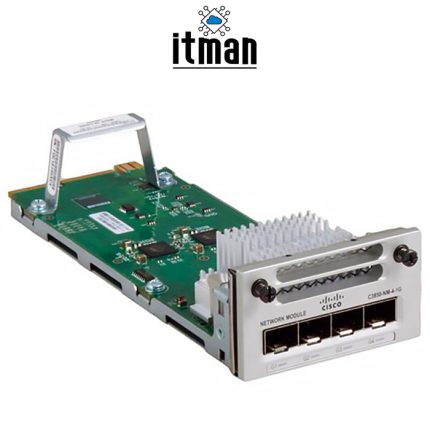
 The Cisco C9300-NM-8X Network Module is a high-performance uplink expansion module designed for Cisco Catalyst 9300 Series switches. It provides organizations with additional high-speed connectivity for linking access switches to distribution or core infrastructure, servers, storage systems, and other network devices. With eight SFP+ slots supporting both 1 Gigabit Ethernet and 10 Gigabit Ethernet connections, the C9300-NM-8X offers considerably more uplink flexibility than basic 1G network modules. It is particularly useful in enterprise networks where multiple fiber or high-speed uplinks are required without replacing the existing Catalyst 9300 switch.
Cisco C9300-NM-8X Network Module
The C9300-NM-8X is part of Cisco’s modular uplink architecture for the Catalyst 9300 platform. Instead of limiting the switch to fixed uplink interfaces, compatible Catalyst 9300 switches allow administrators to install a network module according to their bandwidth requirements.
The C9300 NM 8X provides eight 10GE-capable SFP+ slots, with each port capable of operating at either 1GE or 10GE depending on the installed transceiver and network design. Both SFP and SFP+ modules can therefore be used in the C9300-NM-8X, making it suitable for environments that still have existing 1G fiber connections but are gradually migrating to 10G infrastructure. This combination of port density, flexible speeds, and modular deployment makes the C9300-NM-8X an effective solution for enterprise campus networks, server environments, and high-bandwidth aggregation links.
Applications of the C9300-NM-8X
The C9300-NM-8X is primarily used to provide high-speed uplink connectivity for Cisco Catalyst 9300 switches. In a typical enterprise network, access switches connect hundreds of computers, IP phones, wireless access points, IP cameras, and other endpoints. Traffic generated by these devices eventually needs to travel through uplinks toward distribution switches, core switches, servers, or other network segments.
Using the C9300-NM-8X allows administrators to deploy multiple 10GbE connections instead of relying on slower 1GbE uplinks. This can significantly increase available uplink capacity in environments with substantial east-west or north-south traffic.
Common applications include connecting Catalyst 9300 switches to core or distribution switches, establishing fiber links between network racks, connecting different floors or buildings, providing high-speed server connectivity, creating redundant uplink paths, and supporting enterprise networks with substantial traffic generated by Wi-Fi, video surveillance, virtualization, and business applications.
C9300-NM-8X Ports and Connectivity
The C9300-NM-8X includes eight SFP+ module slots. Each interface can support either a 1 Gigabit Ethernet or 10 Gigabit Ethernet connection, allowing network administrators to combine SFP and SFP+ transceivers according to their infrastructure requirements.
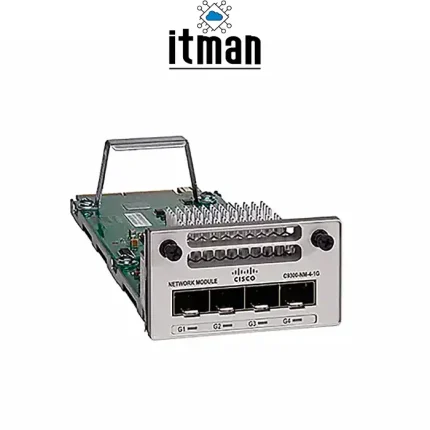
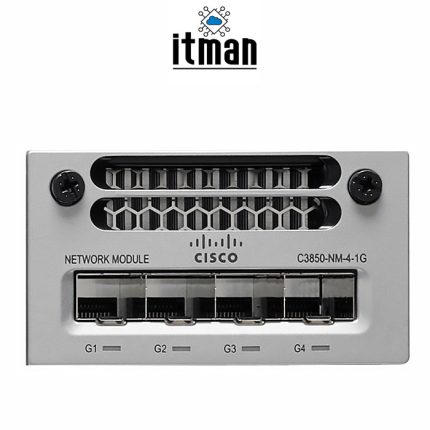
This is an important advantage over modules such as the C9300-NM-4G, which is limited to four 1GE SFP interfaces. With the C9300 NM 8X, an organization can retain existing 1G fiber connections while introducing 10G links where additional bandwidth is required.
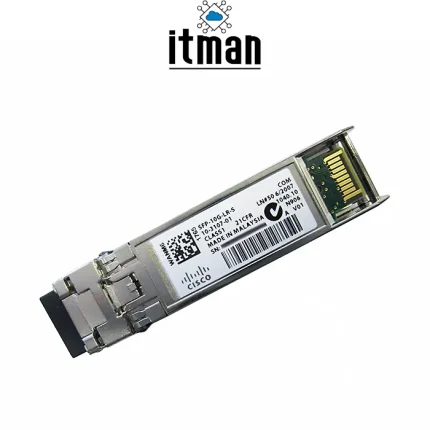
The actual transmission medium and supported distance depend on the transceiver installed in the module. For example, appropriate SFP+ transceivers can be selected for short-range multimode fiber or longer-distance single-mode fiber connections. This makes the C9300-NM-8X adaptable to network designs ranging from connections within a data room to fiber uplinks between physically separated network locations.
Why Choose the C9300-NM-8X for 10G Uplinks?
One of the main advantages of the C9300-NM-8X is its combination of port density and bandwidth. Eight 10GbE-capable interfaces provide considerably more flexibility than modules containing only two or four uplink ports.
For organizations operating multiple distribution switches, servers, fiber links, or redundant network paths, this additional port density can simplify network design. Instead of dedicating nearly all available uplink interfaces to a small number of connections, administrators have additional ports available for redundancy, expansion, or network segmentation.
Another important advantage is migration flexibility. An organization does not necessarily need to convert every connection to 10GbE immediately. Since the interfaces support both 1GE and 10GE connectivity with suitable SFP/SFP+ modules, existing 1G infrastructure can remain operational while individual connections are upgraded to 10G as bandwidth requirements increase.
This capability makes the C9300-NM-8X particularly useful for networks undergoing gradual infrastructure upgrades.
C9300-NM-8X for Enterprise Network Expansion
Network requirements rarely remain static. Additional wireless access points, IP cameras, virtualization hosts, cloud applications, backup traffic, and connected devices can gradually increase traffic passing through access switches.
A Catalyst 9300 switch equipped with a C9300-NM-8X provides additional options for dealing with this growth. Multiple 10GbE uplinks can be deployed to provide higher-capacity paths toward the distribution or core layer.
The module can also be useful when redundancy is a priority. Multiple physical links can be incorporated into a network design so that connectivity does not depend entirely on a single uplink. Depending on the network architecture and configuration, multiple interfaces can also be used as part of aggregated links to increase logical bandwidth and provide additional resiliency.
For organizations already using compatible Catalyst 9300 switches, upgrading the uplink network module can therefore be more practical than replacing an entire switch simply to obtain additional high-speed interfaces.
C9300-NM-8X vs Other Cisco Catalyst 9300 Network Modules
Cisco provides several network module options for the Catalyst 9300 platform. The appropriate module depends primarily on required interface speed, port count, and the type of transceivers used.
| Feature | C9300-NM-8X | C9300-NM-4G | C9300-NM-2Q | C9300-NM-2Y |
|---|---|---|---|---|
| Number of Ports | 8 | 4 | 2 | 2 |
| Primary Interface | SFP+ | SFP | QSFP+ | SFP28 |
| Main Speed | 10GE | 1GE | 40GE | 25GE |
| 1GE Support | Yes | Yes | No | Yes |
| 10GE Support | Yes | No | No | Yes |
| 25GE Support | No | No | No | Yes |
| 40GE Support | No | No | Yes | No |
| Best Use | Multiple 1G/10G uplinks | Basic 1G uplinks | High-bandwidth 40G uplinks | 25G high-speed uplinks |
| Port Density | High | Medium | Low | Low |
The C9300-NM-4G is suitable when only basic 1GbE SFP uplinks are required. It provides four 1GE SFP slots and does not provide native 10GbE SFP+ connectivity.
The C9300-NM-2Q is designed for networks requiring 40GbE connectivity. It provides two QSFP+ slots, making it suitable for high-capacity aggregation links where fewer but significantly faster connections are preferred.
The C9300-NM-2Y provides two SFP28 interfaces and is intended for networks requiring up to 25GbE connectivity.
The C9300-NM-8X sits between these options and is especially attractive when the objective is to obtain a larger number of 10GbE interfaces. Eight SFP+ slots make it a strong choice for enterprise environments where 10GbE remains the primary uplink standard.
Benefits of Using the C9300-NM-8X
The C9300-NM-8X provides a practical upgrade path for organizations that need more uplink bandwidth from their Catalyst 9300 infrastructure. The ability to deploy eight high-speed interfaces means a single switch can connect to several upstream devices or fiber destinations without requiring additional external equipment solely for uplink expansion.
Another benefit is the ability to mix 1GE and 10GE connections. Networks frequently contain equipment from different generations, and not every fiber link needs 10GbE bandwidth. Supporting both speeds allows administrators to use available interfaces efficiently while maintaining compatibility with existing network connections.
The modular architecture also provides greater infrastructure flexibility. If network requirements change, the uplink configuration can be adapted without necessarily replacing the entire Catalyst 9300 switch.
Cisco C9300-NM-8X Technical Specifications
| Specification | Details |
|---|---|
| Product Name | Cisco C9300-NM-8X Network Module |
| Product ID | C9300-NM-8X |
| Product Type | Network/Uplink Module |
| Platform | Cisco Catalyst 9300 Series |
| Number of Interfaces | 8 |
| Interface Type | SFP+ |
| Supported Ethernet Speeds | 1GE / 10GE |
| Maximum Individual Port Speed | 10 Gbps |
| 1G SFP Support | Yes |
| 10G SFP+ Support | Yes |
| 25GbE Support | No |
| 40GbE Support | No |
| Connector Depends On | Installed SFP/SFP+ transceiver |
| Typical Media | Fiber optic or other media supported by compatible transceivers |
| Primary Function | High-speed switch uplinks |
| Installation Location | Network module slot of compatible Catalyst 9300 switches |
| Deployment Type | Enterprise/Campus Network |
| Suitable for Fiber Uplinks | Yes |
| Mixed 1G/10G Deployment | Yes |
| Manufacturer | Cisco |
| Product Family | Catalyst 9300 |
FAQ About C9300-NM-8X
1. What is the Cisco C9300-NM-8X?
The C9300-NM-8X is an optional uplink network module for Cisco Catalyst 9300 Series switches that provides eight SFP+ interfaces capable of supporting 1GE and 10GE connections.
2. How many ports does the C9300-NM-8X have?
It provides eight SFP+ module slots.
3. Does C9300-NM-8X support 10GbE?
Yes. Each of its eight interfaces can support a 10 Gigabit Ethernet connection when an appropriate supported SFP+ transceiver is installed.
4. Can I use 1G SFP modules in C9300-NM-8X?
Yes. The ports support both SFP and SFP+ modules, allowing 1GE and 10GE connections.
5. Can 1G and 10G transceivers be used at the same time?
The module supports combinations of SFP and SFP+ transceivers, allowing administrators to build mixed-speed uplink configurations.
6. Is C9300-NM-8X compatible with Cisco Catalyst 9300X?
C9300 and C9300X use different network-module families. The C9300-NM-8X is a Catalyst 9300 network module, while Catalyst 9300X switches use C9300X network modules.
7. What is the difference between C9300-NM-8X and C9300-NM-4G?
The C9300-NM-8X provides eight interfaces supporting up to 10GE, while the C9300-NM-4G provides four 1GE SFP interfaces.
8. What is the difference between C9300-NM-8X and C9300-NM-2Q?
The C9300-NM-8X provides eight SFP+ interfaces for 1/10GbE connectivity, while the C9300-NM-2Q provides two QSFP+ interfaces designed for 40GbE connectivity.
9. Does the C9300-NM-8X include SFP+ transceivers?
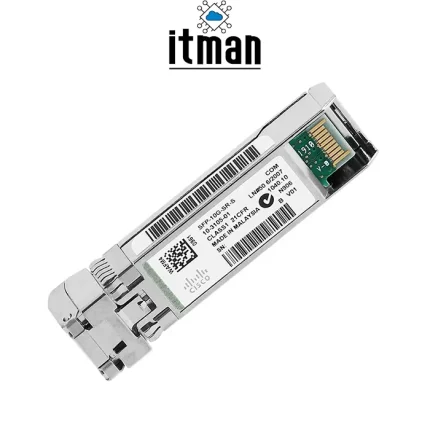
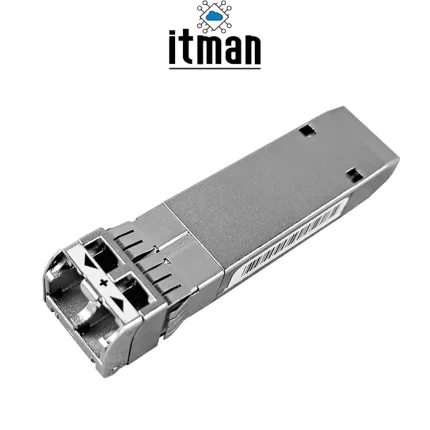
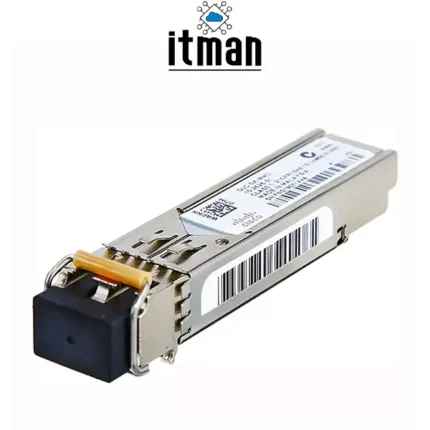
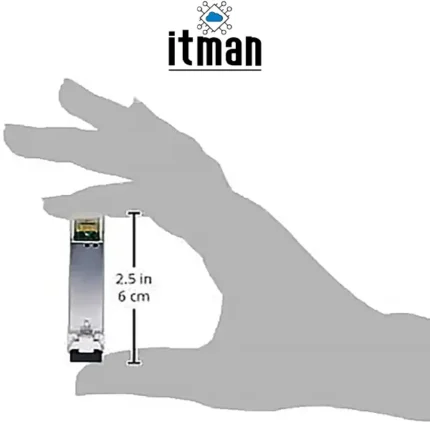
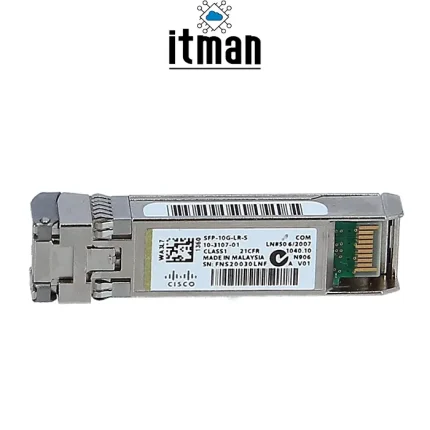
The network module and optical transceivers are separate components. Required SFP or SFP+ modules should be selected according to speed, fiber type, transmission distance, and network design.
10. Can C9300-NM-8X be used for single-mode fiber?
Yes. A compatible single-mode SFP/SFP+ transceiver can be installed depending on the required connection speed and transmission distance.
Conclusion
The Cisco C9300-NM-8X Network Module is a versatile uplink solution for organizations that need multiple high-speed connections from their Catalyst 9300 switches. Its eight SFP+ interfaces, support for both 1GE and 10GE connections, and compatibility with a broad range of network deployment scenarios make it particularly suitable for enterprise access and distribution environments.
For networks moving from 1GbE toward 10GbE infrastructure, the C9300 NM 8X also provides an effective migration path because existing 1G connections and newer 10G links can coexist on the same network module. Businesses requiring additional fiber uplinks, redundant connectivity, server connections, or higher-capacity links to distribution and core switches can benefit significantly from this configuration.
ITMan supplies the Cisco C9300-NM-8X for customers looking to expand or upgrade their Cisco Catalyst 9300 infrastructure. Selecting the correct transceiver alongside the module is important to ensure compatibility with the required speed, fiber type, and transmission distance.




















Reviews
There are no reviews yet.