









 ? Message us on
 Wireless networks today are no longer judged by how fast a speed test looks on one device. What really matters is how stable the connection stays when dozens or even hundreds of devices are connected at the same time. Offices, shops, clinics, schools, and modern homes all face the same challenge: many users, mixed devices, and constant demand. The Ruijie Reyee RG-RAP2260(G) is designed specifically for this reality. It is a Wi-Fi 6 ceiling-mount access point built to deliver consistent performance, strong coverage, and predictable behavior in environments where reliability matters more than marketing numbers.
Product introduction: Ruijie Reyee RG-RAP2260(G)
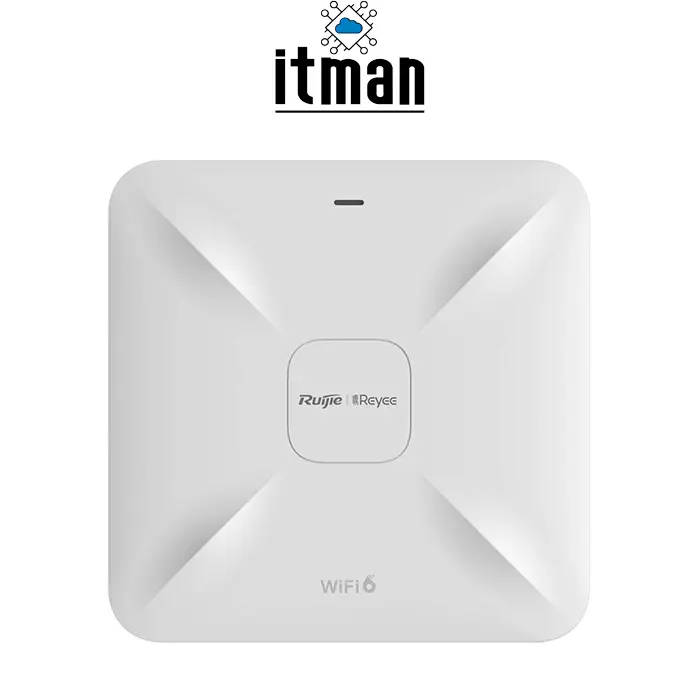
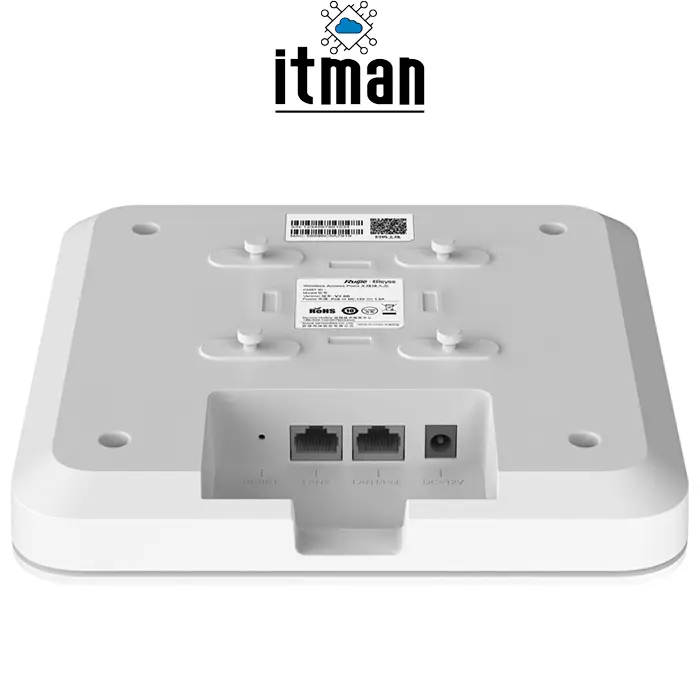
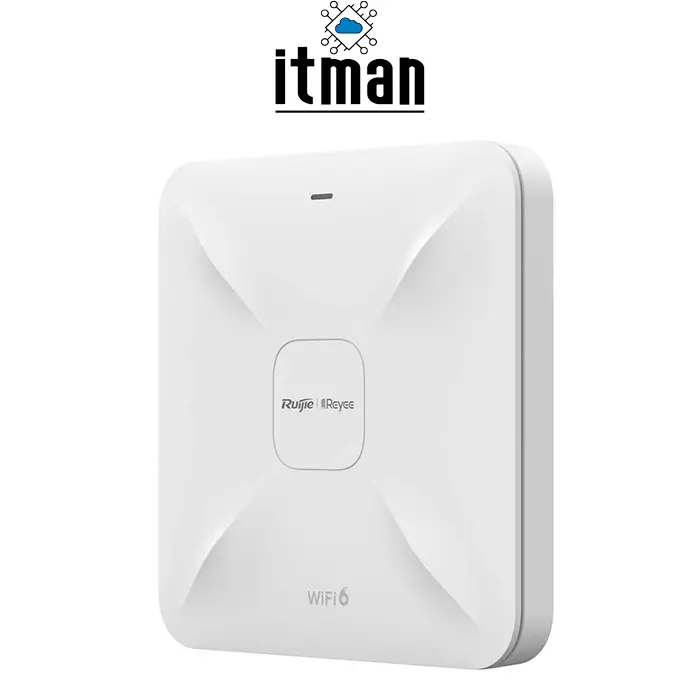
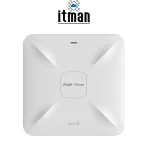
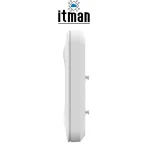
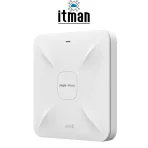
Ruijie Reyee RG-RAP2260(G) is a dual-band AX1800 Wi-Fi 6 indoor access point intended for ceiling installation. It supports modern wireless standards while maintaining backward compatibility for older devices. With built-in antennas, dual Gigabit Ethernet uplink ports, and support for high client density, this model fits well into small and medium business networks as well as large residential deployments that require professional-grade stability.
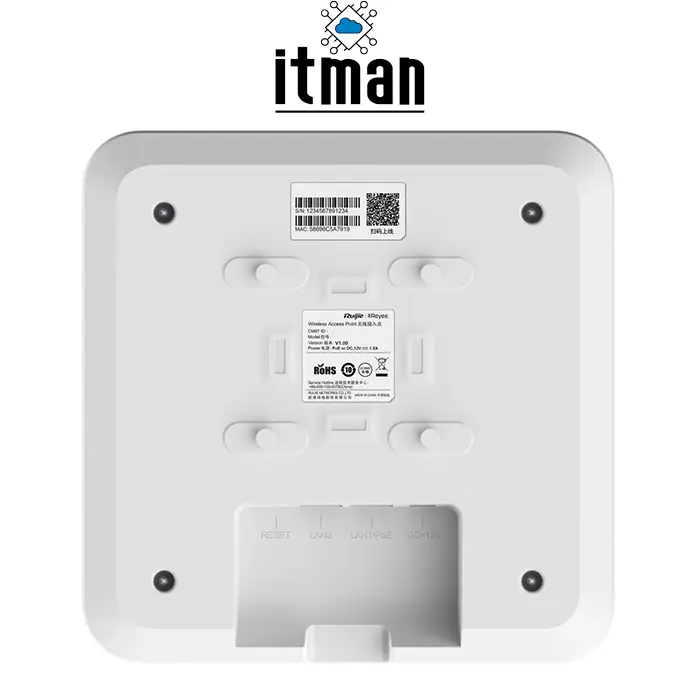
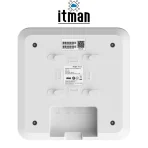
The access point is designed to be powered via PoE or local DC, making installation flexible in both new projects and retrofit scenarios. Its clean ceiling form factor allows it to blend into offices, retail spaces, and homes without the clutter of desk-mounted routers or visible antennas.
Core wireless capabilities of Ruijie Reyee RG-RAP2260(G)
Wi-Fi 6 efficiency instead of raw speed
Wi-Fi 6 focuses on efficiency rather than only increasing peak throughput. Ruijie Reyee RG-RAP2260(G) benefits from this approach by managing airtime more intelligently when multiple clients are connected. Instead of devices competing chaotically for access, the access point schedules transmissions more effectively, reducing latency spikes and random disconnections.
This makes a noticeable difference in environments where many users are browsing, attending video meetings, or using cloud applications at the same time.
AX1800 dual-band performance
The AX1800 classification represents a balanced wireless profile suitable for mixed workloads. The 2.4 GHz band provides extended coverage and compatibility for IoT devices, printers, and legacy hardware, while the 5 GHz band delivers higher throughput and lower interference for modern laptops, phones, and tablets.
This balance allows network designers to support both performance-hungry users and simple always-connected devices without overcomplicating the configuration.
Built-in antennas for uniform coverage
Unlike access points with external antennas that require manual alignment, Ruijie Reyee RG-RAP2260(G) uses internal antennas optimized for ceiling installation. This provides predictable, even coverage across open areas and rooms below the access point, making it easier to design consistent Wi-Fi coverage throughout a space.
Wired connectivity and power flexibility
Dual Gigabit Ethernet uplink ports
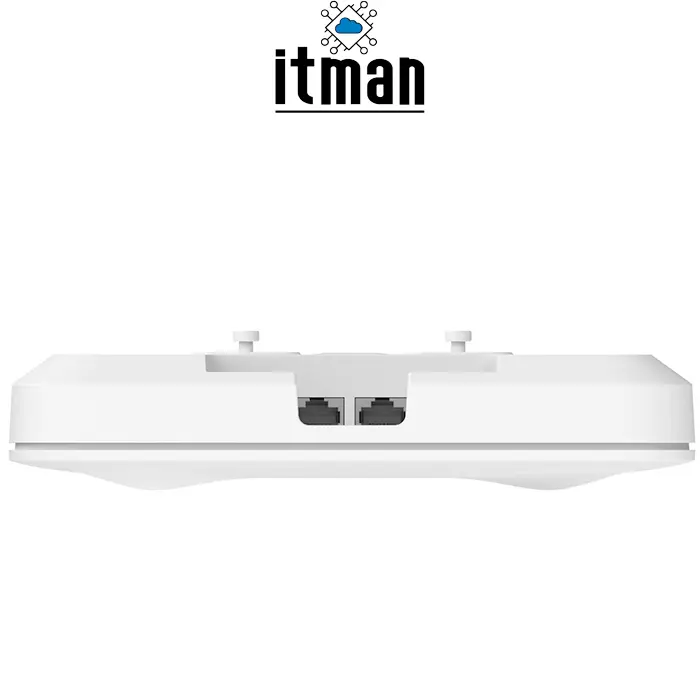
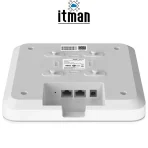
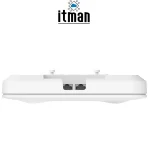
One of the practical advantages of Ruijie Reyee RG-RAP2260(G) is the presence of two Gigabit Ethernet ports. This allows flexible wiring options, such as connecting an additional wired device near the access point or simplifying cable routing in ceiling installations.
Even if the second port is not used immediately, it adds future flexibility without requiring additional cabling work.
PoE and DC power support
The access point supports Power over Ethernet, which simplifies installation by delivering data and power through a single cable. For locations without PoE switching, local DC power is also supported. This flexibility makes the device suitable for both professional network builds and gradual upgrades from existing infrastructure.
Client capacity and real-world expectations
Ruijie Reyee RG-RAP2260(G) is designed to handle high client counts, with hardware capability suitable for hundreds of connected devices. In practice, performance depends on how those devices are used. Light browsing, messaging, and background services consume far less airtime than video streaming or real-time collaboration tools.
The key strength of this access point is not the raw number of clients, but its ability to remain stable under load when properly planned and deployed.
Benefits of deploying Ruijie Reyee RG-RAP2260(G)
Stable performance during peak usage
Many networks perform well when lightly loaded but struggle during busy hours. By using Wi-Fi 6 features and proper airtime management, Ruijie Reyee RG-RAP2260(G) helps maintain consistent performance even when user count increases significantly.
Professional coverage through ceiling installation
Ceiling-mounted access points typically deliver better coverage than wall-mounted or desk-placed devices. Placing the access point above obstacles improves signal distribution and reduces shadowing caused by furniture or people moving through the space.
Scalable network design
This model is well suited for networks that may grow over time. Additional access points can be added using the same model to extend coverage or increase capacity without redesigning the entire wireless system.
Common use cases
- Offices and shared workspaces: Modern offices rely heavily on wireless connectivity for communication, cloud access, and collaboration. Ruijie Reyee RG-RAP2260(G) supports these demands while keeping management simple.
- Retail, clinics, and hospitality: Customer-facing environments require reliable Wi-Fi for both staff systems and guest access. Ceiling-mounted access points help keep equipment secure and out of reach while delivering consistent service.
- Villas and large residential properties: Large homes often suffer from poor Wi-Fi coverage when relying on a single router. Deploying ceiling access points with wired backhaul provides a far more reliable solution, especially for smart home devices and streaming.
Practical deployment guide: planning before installation
- Plan by usage, not by floor area: Instead of counting square meters, identify high-usage zones such as meeting rooms, reception areas, or living rooms with multiple devices. These areas may require dedicated access points even if they are physically small.
- Choose proper ceiling locations: Avoid placing access points near heavy electrical equipment, metal structures, or enclosed ceiling spaces with poor airflow. Central ceiling positions typically provide the best results.
- Prefer wired backhaul: Whenever possible, connect access points via Ethernet rather than relying on wireless mesh. Wired backhaul ensures maximum performance and predictable latency.
Practical tuning: reducing complaints and disconnects
- Managing 2.4 GHz and 5 GHz behavior: Some devices perform poorly when forced to switch between bands. In mixed environments, it can be helpful to maintain a general dual-band SSID for most users and a dedicated 2.4 GHz SSID for older or IoT devices.
- Channel width selection: Wider channels increase peak speed but reduce efficiency in crowded environments. For high-density deployments, narrower channels often produce better overall stability and user experience.
Comparison with similar Reyee access points
| Model | Wireless standard | Performance class | Ethernet ports | Best use case |
|---|---|---|---|---|
| Ruijie Reyee RG-RAP2260(G) | Wi-Fi 6 | AX1800 | Dual Gigabit | Balanced Wi-Fi 6 ceiling AP for SMB and dense environments |
| Reyee RG-RAP2260(E) | Wi-Fi 6 | Higher AX class | Multi-Gig uplink | Higher throughput sites with heavy traffic |
| Reyee RG-RAP62 | Wi-Fi 6 | AX1800 | Single Gigabit | Compact ceiling installations with simpler needs |
| Reyee RG-RAP2200(E) | Wi-Fi 5 | AC class | Dual Gigabit | Budget projects where Wi-Fi 6 is not required |
Technical specifications of Ruijie Reyee RG-RAP2260(G)
| Specification | Details |
|---|---|
| Product type | Indoor ceiling-mount access point |
| Wireless standard | 802.11 a/b/g/n/ac/ax |
| Wi-Fi class | AX1800 |
| Bands | 2.4 GHz and 5 GHz |
| Ethernet ports | 2 × 10/100/1000 Mbps |
| Power options | PoE and DC input |
| Antennas | Built-in internal antennas |
| Installation | Ceiling or wall mount |
| Client capacity | Designed for high-density environments |
Frequently Asked Questions (FAQ)
1. Is Ruijie Reyee RG-RAP2260(G) suitable for crowded offices?
Yes, it is designed to handle many simultaneous users when deployed correctly.
2. Can this access point replace a home router?
It can provide wireless access, but routing functions should be handled by a separate router or gateway.
3. Does ceiling mounting really matter?
Yes, ceiling placement significantly improves coverage consistency and signal distribution.
4. Is Wi-Fi 6 necessary if my internet speed is limited?
Wi-Fi 6 improves local network efficiency even when internet speed is modest.
5. Can I use this access point without PoE?
Yes, local DC power is supported.
6. How many access points do I need for a large office?
This depends on layout, wall materials, and user density rather than size alone.
7. Is it good for video conferencing?
Yes, when properly configured, it provides stable performance for real-time applications.
8. Does the second Ethernet port affect wireless performance?
No, it is purely for wired connectivity.
9. Is this access point suitable for smart home environments?
Yes, especially in large homes with many connected devices.
10. What is the most common deployment mistake?
Poor placement and lack of planning, not hardware limitations.
Conclusion
Ruijie Reyee RG-RAP2260(G) is a well-balanced Wi-Fi 6 ceiling access point built for real-world usage rather than theoretical benchmarks. With AX1800 performance, dual Gigabit uplinks, flexible power options, and a design optimized for high client density, it offers a reliable foundation for modern wireless networks. When paired with proper planning and installation, it delivers stable coverage, scalable growth, and fewer connectivity issues across a wide range of environments.



















Reviews
There are no reviews yet.